

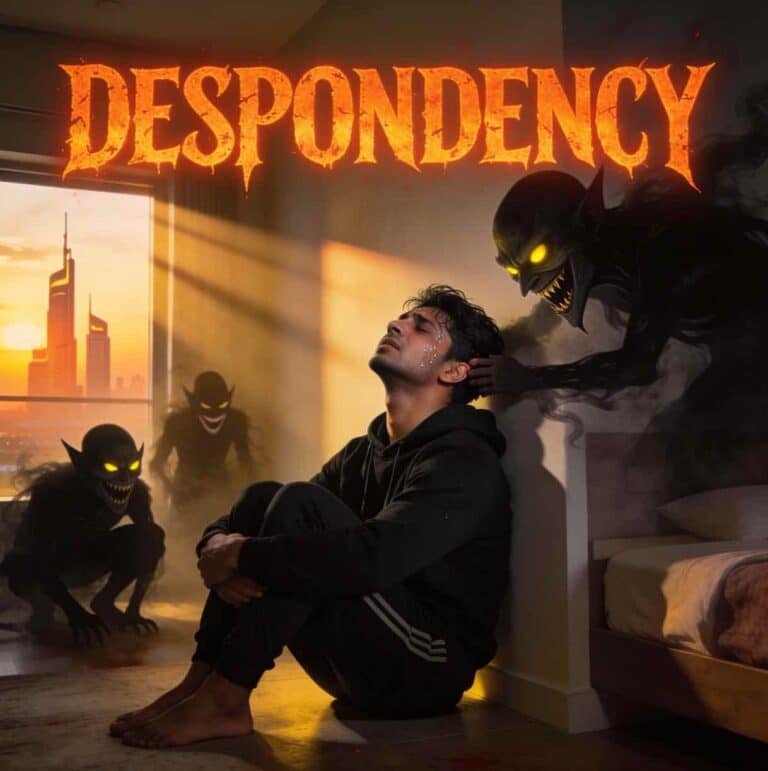
Despondency is a calculated spiritual onslaught designed to erode your care, effort, and hope, leading you to subtly abandon your pursuit of God.
Unveiling the True Nature of Despondency
In the wisdom of the early Church Fathers, this affliction is termed acedia, a Greek word meaning “without care,” embodying a profound apathy toward divine matters, marked by inaction, disinterest, and a lack of zeal for spiritual growth. It manifests as spiritual sloth, boredom with sacred duties, inner revulsion, and a nonchalant detachment that halts you from heeding the Holy Spirit’s nudges. Often dubbed the “noonday demon” by the Desert Fathers like Evagrius Ponticus, it strikes hardest precisely when you’ve resolved to deepen your faith through consistent prayer, Scripture study, and acts of service, aiming to derail your momentum before it builds.
The Assault on Your Spiritual Vitality
At its core, despondency sabotages routine and persistence: It renders your prayer discipline, Bible engagement, and participation in worship feel burdensome, futile, or utterly unattainable. You may feel a genuine desire to connect with God, yet in the moment, exhaustion, distractions, or inexplicable indifference take over, much like the yawning monks described by St. John Climacus in his Ladder of Divine Ascent, who battled sudden fatigue during psalms. Prolonged exposure erodes your drive, fostering self-doubt and frustration that can spiral into outright despair, prompting you to abandon spiritual practices altogether.
The Psychological Pattern of Acedia
This passion follows a predictable inner dialogue: It begins with self-criticism (“Why can’t I get this right?”), escalates to resentment toward God (“Why isn’t He making this easier?”), deepens into hopelessness (“This will never change”), and culminates in resignation (“What’s the use in trying?”). It cultivates pervasive discontent, where neither prayer nor daily life brings fulfillment, driving you toward escapist vices like overindulgence, lust, or digital distractions. Acedia often convinces you that your dissatisfaction stems from external circumstances, your environment, relationships, or even divine providence, fueling anxiety, restlessness, and a misplaced blame on God for your inner turmoil.
Distinguishing Despondency from Depression
While despondency can intersect with clinical depression or physical exhaustion, echoing Psalm 73:26’s lament of failing flesh and heart, the patristic tradition views it as more than a mere emotional or biological state. It’s a spiritual vulnerability, not inherently sinful in its onset, but dangerous when surrendered to in unbelief. Modern voices like John Piper align with the Fathers in noting that the true fault lies not in the heaviness itself but in passively accepting it, allowing it to pave the way for other vices such as anger, envy, or fear. Acedia acts as a “war tactic” of the enemy, exploiting weakness to undermine the soul’s defenses.
Root Causes of Despondency in Classic Teachings
- Pride and Self-Sufficiency: When spiritual progress feels self-earned, divine grace may recede temporarily to humble you, revealing inner emptiness and inviting despondency.
- Idleness and Over-Indulgence: A life steeped in comfort without purposeful labor breeds boredom that evolves into existential numbness, paving the way for acedia.
- Chronic Pessimism: An obsessive focus on sin, worldly decay, or negative events creates a mental haze where hope dims, sometimes leading to thoughts of escape like suicide.
- Unresolved Grief or Trials: Lingering sorrow from loss, illness, or hardship can morph into a worldly despair that resists transformation into godly repentance.
Echoes in Other Traditions: Universal Reflections on Spiritual Apathy
Despondency transcends Christianity, finding striking parallels in other faiths that underscore its universal human challenge. In Islam, concepts like kasal (laziness or sloth) and ghaflah (heedlessness or negligence) mirror acedia’s soul-paralyzing neglect of prayer and divine duties, where hypocrites pray lazily “to be seen” (Quran 4:142), and hearts become heedless “like cattle” (Quran 7:179), fostering distraction and spiritual numbness.
Similarly, qunut (despondency or despair) is condemned as a major sin, with warnings against despairing of God’s mercy (Quran 39:53), echoing the Church Fathers’ battle against hopelessness. Across these paths, the remedy converges: Reject numbness through remembrance (dhikr in Islam, akin to persistent prayer), seek refuge in the Divine from sloth, and persevere in worship despite the heaviness, transforming apathy into renewed devotion.
Christ’s Triumph Over Despondency
In the Garden of Gethsemane, Jesus confronts the pinnacle of spiritual agony, with His soul “sorrowful even to death” amid temptations to deem the cross meaningless or unbearable. Yet, in His sinless humanity, this turmoil isn’t defeat, it’s the battleground. His victory unfolds through deliberate actions: Gathering trusted friends, vulnerably sharing His burden, soliciting their prayers, pouring out His anguish to the Father, and ultimately submitting with “Not my will, but Yours be done.” This models resilience amid despondency, turning potential collapse into redemptive resolve.
Patristic Insights on Acedia’s Grip
The Desert Fathers diagnose acedia as a soul-paralyzing force: It weakens resolve, fosters neglect of discipline, and subtly accuses God of being distant or unloving. St. John Climacus vividly notes its timing, silent during idle hours but erupting with fatigue, headaches, and distractions precisely at prayer calls, vanishing once duties end. St. Luke of Crimea cautions that unchecked acedia exposes the soul to cascading passions, potentially leading to spiritual abandonment.
The Deception of Superficial Joy
Far from branding Christianity as inherently gloomy, the tradition asserts that authentic faith, infused with the Holy Spirit, yields profound fruits like love, joy, and peace, a resilient gladness even under trials. Conversely, worldly “cheerfulness” often masks inner torment from an unrepentant conscience, breeding a sorrow that leads to spiritual death rather than life-giving transformation.
Strategies to Uproot Despondency
- Identify the Battle: Acknowledge lethargy in prayer, disengagement from Scripture, or persistent distractions as targeted spiritual warfare, not mere personal quirks.
- Resist Surrender: The peril isn’t the emotion but capitulating to it, choosing unbelief over perseverance. Counter with declarations like the psalmist’s: “But God is the strength of my heart and my portion forever.”
- Recommit to Disciplines: Persist in your prayer rule, readings, and worship even when motivation wanes; consistency erodes acedia’s hold over time.
Practical Antidotes Proven Through Ages
Drawing from Eastern and Western Church wisdom, combat acedia with time-tested tools: Focused prayer, fasting, vigils, manual labor, sacramental life, and candid confession. The Prayer of St. Ephraim serves as a potent weapon, petitioning God to expel despondency while instilling virtues like humility and love.
“O Lord and Master of my life, take from me the spirit of sloth, despair, lust of power, and idle talk.
But give rather the spirit of chastity, humility, patience, and love to Thy servant.
Yea, O Lord and King, grant me to see my own transgressions, and not to judge my brother, for blessed art Thou, unto ages of ages. Amen.”
Scripture immersion acts as a soul-reviving elixir, not just intellectual exercise. For those committed yet weary, build a balanced routine: Brief daily prayers, scheduled Bible portions, and physical acts (like prostrations or simple chores) to reunite body and will.
The Power of Community and Sacraments
Isolation amplifies despondency; communal vulnerability dispels it. Share your struggles in confession with a spiritual guide or pastor to unmask lies and invite healing grace. Partaking in the Eucharist with genuine repentance reinforces that your spiritual journey isn’t solitary, you draw strength from Christ’s presence.
Transforming the Darkness into Dawn
The Psalms and Gethsemane narrative affirm that despondency’s “cave” is, through Christ, a passageway to light, if you refuse to extinguish faith’s flame. Embrace the heaviness without denial, interjecting “but God” into the shadows, trusting this trial as a transient phase, not your core essence or eternal fate.
When Despondency Flirts with Death
The ancient Fathers did not treat despondency as a “soft” sin or a minor mood; they warned that if it lingers unchallenged, it can drive a person to feel abandoned by God, crushed by emptiness and heaviness, until even suicide begins to look like the only escape. It is like death knocking at the door, it feels like a slow movement gradually shutting down the mind, the will, and even outer life, until the tunnel seems to end in darkness instead of light.
If you’re reading this and it feels uncomfortably accurate, this is your wake‑up call. Do not romanticize, justify, or look for validation of your despondency. Stop feeding it with dark narratives and agreement. This is the moment to rebuild your mind, rebuild your faith, and kick despondency out at the root:
- Speak up: Reach out now to someone you trust, a pastor/priest, Imam, spiritual mentor, therapist, or close friend, and say out loud what has been circling in your head in silence.
- Turn back to God: Even if all you can pray is “Lord, have mercy” or “God, help me,” pray it. Small, honest prayers break the illusion of isolation.
- Refuse isolation: Choose one concrete act of life today, show up at church, your mosque or our temple, book a session with a professional, step outside, or call someone who loves you.
- Guard your inputs: Stop scrolling for content that confirms your hopelessness. Feed your mind with Scripture, prayer, and words that call you back to life.
Your thoughts are not the final authority on your worth or your future. Despondency tells you the story is over. God says it is not.
Important Disclaimer
This article speaks to the spiritual dimension of despondency and is not a substitute for professional mental health or medical care. If you are having active thoughts of self‑harm or suicide, treat this as an emergency:
- In most countries, you can contact your local emergency number immediately.
- Reach out to a crisis hotline or suicide prevention service available in your region.
- Tell someone near you what you are experiencing and ask for help right now.
Seeking professional help is not a lack of faith, it is often one of the most courageous, faith‑filled steps you can take toward healing.